
The Benefits of Eco-Friendly Intimate Apparel: A Guide for Wholesale Suppliers
1. Introduction to Eco-Friendly Intimate Apparel
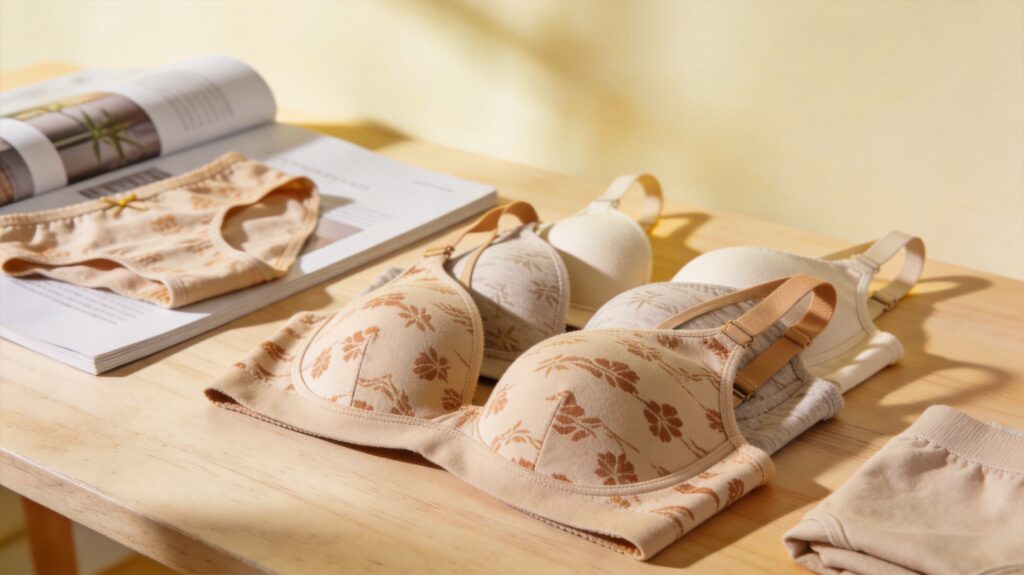
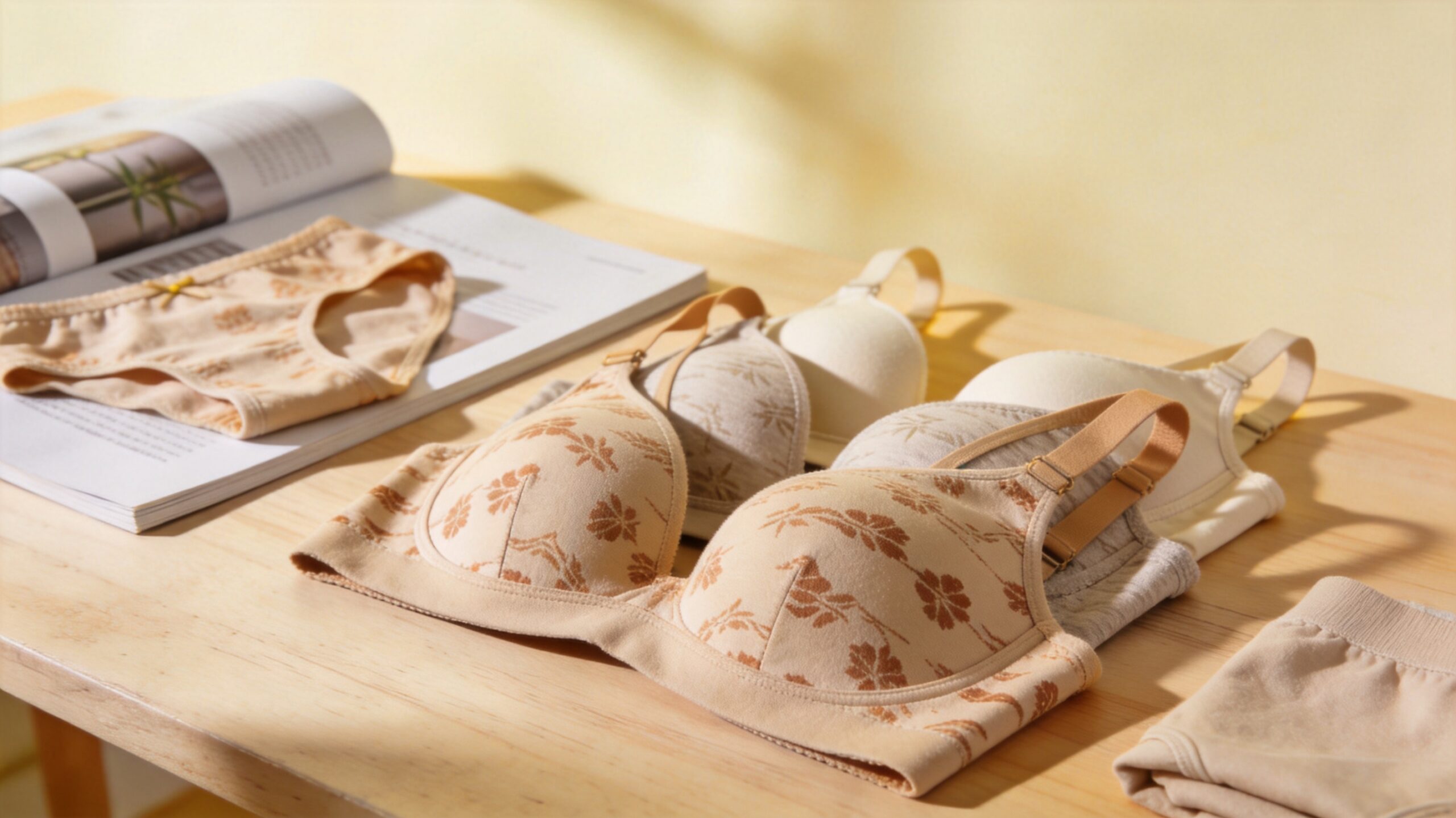
Eco-friendly intimate apparel refers to undergarments made from sustainable materials and produced through environmentally responsible processes. This category of clothing not only prioritizes the planet but also addresses the growing consumer demand for ethical fashion. As awareness regarding sustainability in fashion rises, it becomes increasingly important for wholesale suppliers to understand the significance of eco-friendly intimate apparel. By adopting sustainable practices, suppliers can contribute to a healthier planet while also meeting the needs of conscientious consumers.
2. Benefits of Eco-Friendly Intimate Apparel
The benefits of eco-friendly intimate apparel are manifold, impacting both the environment and the health of consumers.
– Environmental Impact: Traditional garment manufacturing processes often involve harmful chemicals and unsustainable practices that contribute to pollution and waste. In contrast, eco-friendly intimate apparel is typically made from organic cotton, bamboo, or recycled materials, significantly reducing the carbon footprint. By choosing sustainable fabric underwear, suppliers can help mitigate environmental damage and promote a circular economy.
– Health Benefits for Consumers: Eco-friendly intimate apparel is often made without harmful dyes and chemicals, making it a safer choice for consumers. Many people are becoming increasingly aware of skin sensitivities and the potential health risks associated with conventional fabrics. By offering sustainable options, suppliers can cater to health-conscious customers looking for products that are gentle on the skin.
– Market Demand and Trends: The demand for eco-friendly products is on the rise, with consumers actively seeking brands that align with their values. Wholesale suppliers who embrace eco-friendly intimate apparel can tap into this growing market segment, positioning themselves as leaders in the sustainable fashion movement. According to a technical reference on AZoM, the market for sustainable fashion is expanding rapidly.
3. Specifications of Sustainable Fabric Underwear
Understanding the specifications of sustainable fabric underwear is crucial for wholesale suppliers looking to offer high-quality products.
– Types of Sustainable Fabrics: Common sustainable fabrics used in intimate apparel include organic cotton, Tencel, hemp, and recycled polyester. Each of these materials has unique properties that cater to different consumer preferences, such as breathability, moisture-wicking capabilities, and softness.
– Certifications and Standards: It’s essential for suppliers to be aware of relevant certifications that validate the sustainability of their products. Certifications such as Global Organic Textile Standard (GOTS), OEKO-TEX, and Fair Trade ensure that the materials and manufacturing processes meet stringent environmental and social criteria.
– Quality Considerations: Eco-friendly intimate apparel should not compromise on quality. Suppliers need to ensure that the products are durable, comfortable, and retain their shape after washing. Quality control processes should be in place to maintain high standards.
4. Use Cases for Wholesale Suppliers
Wholesale suppliers can leverage eco-friendly intimate apparel in various ways to enhance their business offerings.
– Target Demographics: The target demographic for eco-friendly intimate apparel includes environmentally conscious consumers, millennials, and Gen Z shoppers who prioritize sustainability. Understanding these demographics helps suppliers tailor their products and marketing strategies effectively.
– Retail Partnerships: Collaborating with retailers who share a commitment to sustainability can amplify the reach of eco-friendly intimate apparel. Suppliers should seek partnerships with boutiques and larger retail chains that are focused on ethical fashion.
– Marketing Strategies: Effective marketing strategies should highlight the benefits of eco-friendly intimate apparel, such as its environmental impact and health benefits. Utilizing social media, influencer partnerships, and educational content can help raise awareness and drive sales.
5. Sourcing Eco-Friendly Intimate Apparel
Sourcing eco-friendly intimate apparel involves careful consideration to ensure quality and sustainability.
– Finding Reliable Suppliers: Wholesale suppliers should conduct thorough research to identify manufacturers that specialize in sustainable practices. Trade shows, online directories, and industry networks can be valuable resources for finding reliable suppliers.
– Evaluating Supplier Practices: It’s essential to evaluate potential suppliers on their sustainability practices, including the sourcing of materials, labor conditions, and environmental impact. Requesting transparency in their operations can help build trust and align values.
– Cost Considerations: While eco-friendly products may have a higher initial cost, the long-term benefits, including brand loyalty and reduced environmental impact, can outweigh these expenses. Suppliers should analyze pricing strategies that reflect the value of sustainable products.
6. Implementation Strategies for Wholesale Suppliers
Once suppliers have sourced eco-friendly intimate apparel, implementing effective strategies is key to success.
– Inventory Management: Proper inventory management ensures that suppliers can meet demand without overstocking. Utilizing data analytics can help predict trends and optimize stock levels.
– Product Launch Planning: A well-thought-out product launch can create buzz and attract customers. Suppliers should consider promotional events, online campaigns, and collaborations with eco-conscious influencers to maximize visibility.
– Customer Education: Educating customers about the benefits of eco-friendly intimate apparel is crucial. Providing information on the materials used, care instructions, and the impact of their purchase can enhance consumer engagement.
7. Comparisons with Traditional Intimate Apparel
Understanding the differences between eco-friendly and traditional intimate apparel can inform purchasing decisions.
– Cost Analysis: While eco-friendly intimate apparel may have a higher upfront cost, the long-term savings on health and environmental impact can justify the price. Suppliers should communicate these benefits to potential buyers.
– Performance and Durability: Eco-friendly fabrics often match or exceed the performance of traditional materials in terms of comfort, breathability, and durability. Suppliers should emphasize these qualities in their marketing.
– Consumer Preferences: As consumers become more environmentally conscious, preferences are shifting towards sustainable options. Suppliers who adapt to these changes will be better positioned in the market.
8. Frequently Asked Questions
– Common Concerns about Eco-Friendly Products: Many consumers worry about the performance and durability of eco-friendly intimate apparel. Suppliers can address these concerns by showcasing quality certifications and customer testimonials.
– Misconceptions about Sustainable Fabrics: Some believe that sustainable fabrics are less comfortable or stylish. Suppliers should highlight the variety of eco-friendly options available that do not compromise on aesthetics or comfort.
– Resources for Further Information: Suppliers can access a wealth of information through industry publications, sustainability organizations, and online courses focused on sustainable fashion practices.
Conclusion
Eco-friendly intimate apparel presents a significant opportunity for wholesale suppliers to align their business practices with the growing consumer demand for sustainability. By understanding the benefits, specifications, and implementation strategies associated with eco-friendly products, suppliers can effectively meet market needs while contributing positively to the planet. Embracing this shift not only enhances brand reputation but also fosters a more sustainable future for the fashion industry.